Tartu - Paris
Tartu, November 2021
Field observations from 8th November 2021 to 28th November 2021
For those who don’t know Tartu, the city is the intellectual and scientific capital of Estonia, the northernmost Baltic country. The light here disappears faster and faster as we go into autumn. For the scientist, it can be a problem: the different species of corvids can be identified mainly by colour differences, that quickly fade in the dying light of afternoons.
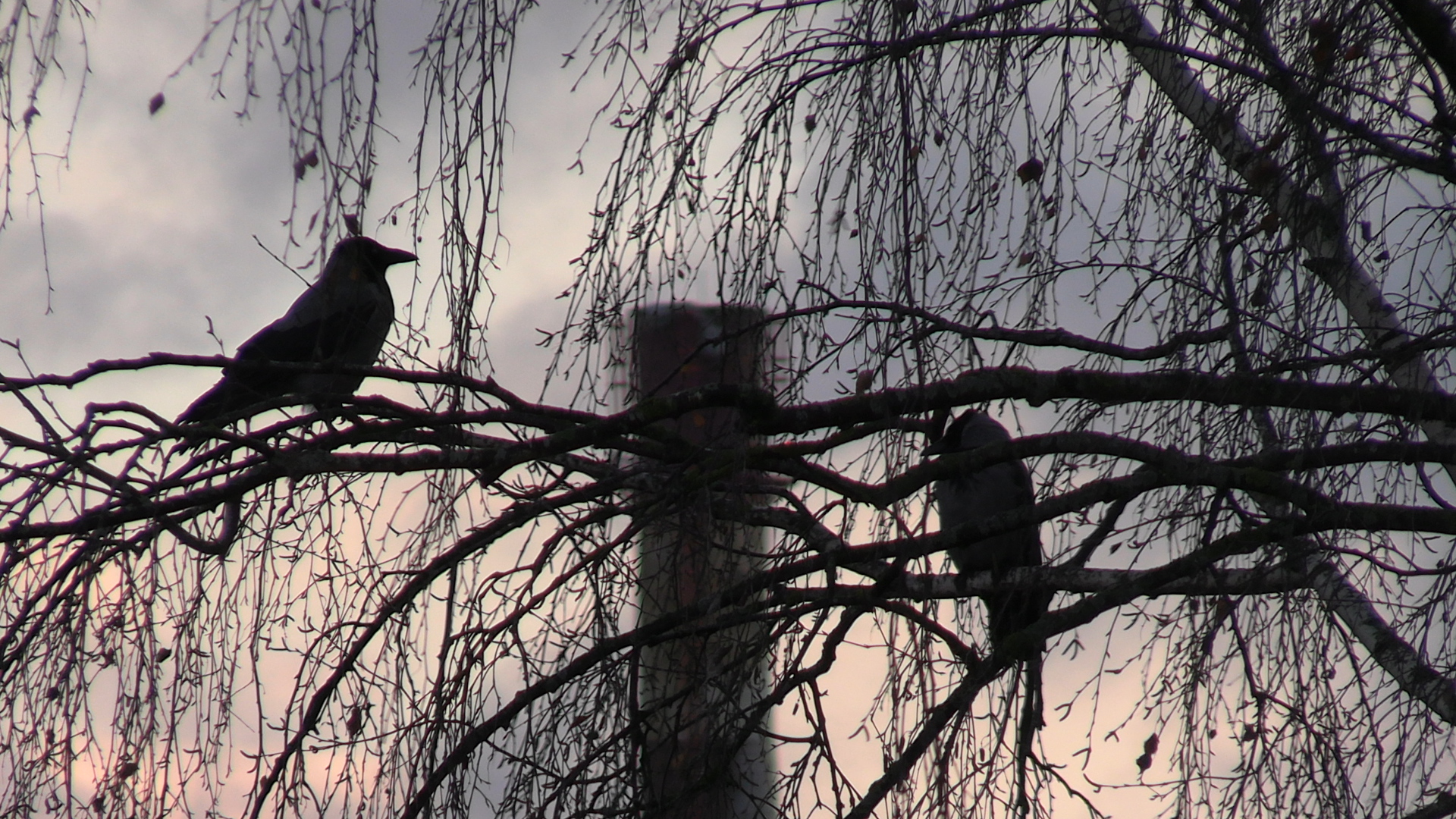
But during the day, it would be wrong to imagine Northern territories as hostile lands, making hostile wildlife. Tartu in November was the place of observation of many warm and tender scenes, like pairs of C. cornix grooming each other.
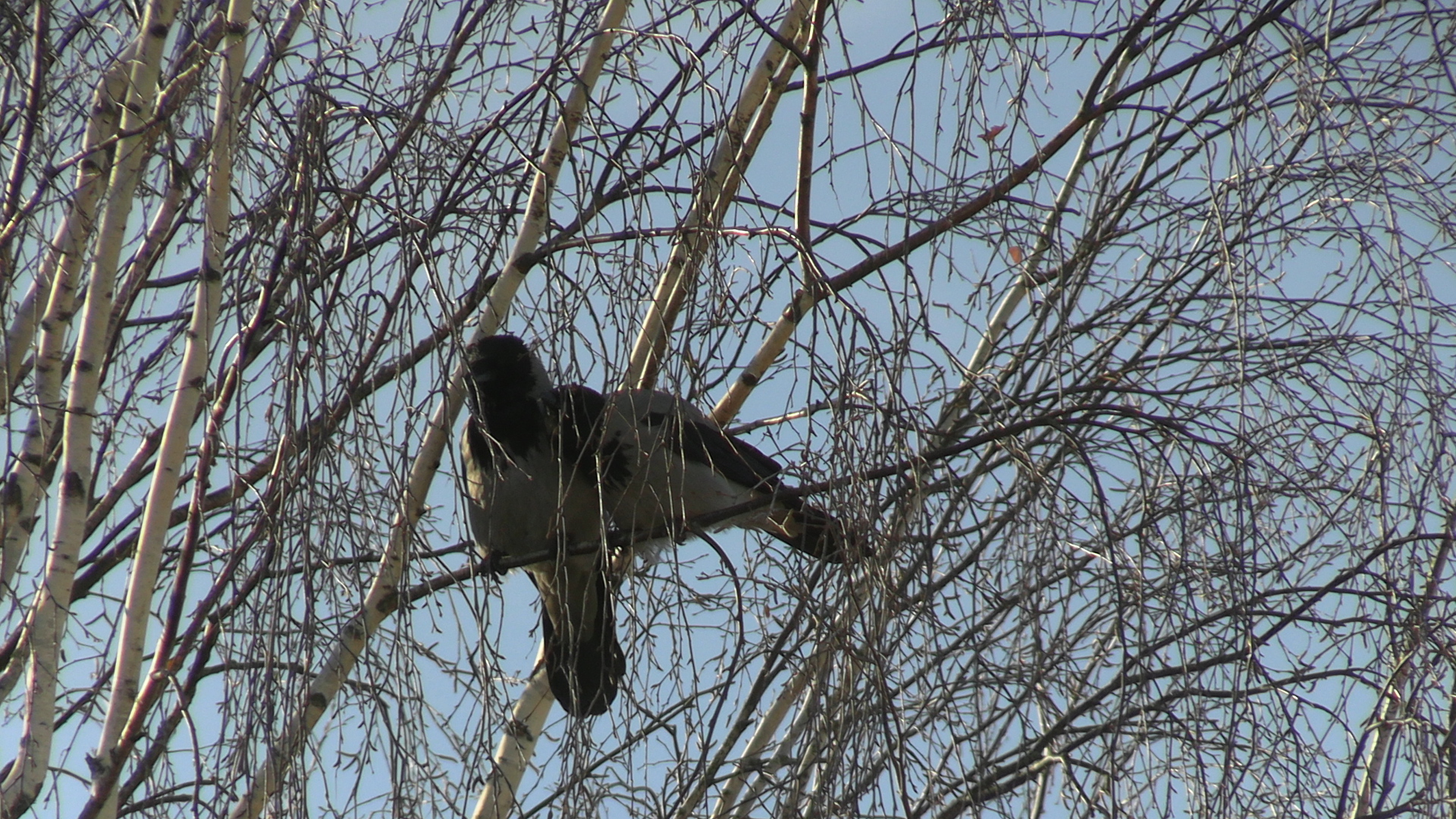
The researcher who wants to observer corvids must be aware that they will also observe them. Corvids are able to recognize and memorize human faces. If you seem friendly, if you are here often, it is probable that they will know you. Maybe they will become curious about you, the human that is not just passing by. And perhaps, at some point, the curiosity will be too strong, and they will come closer.
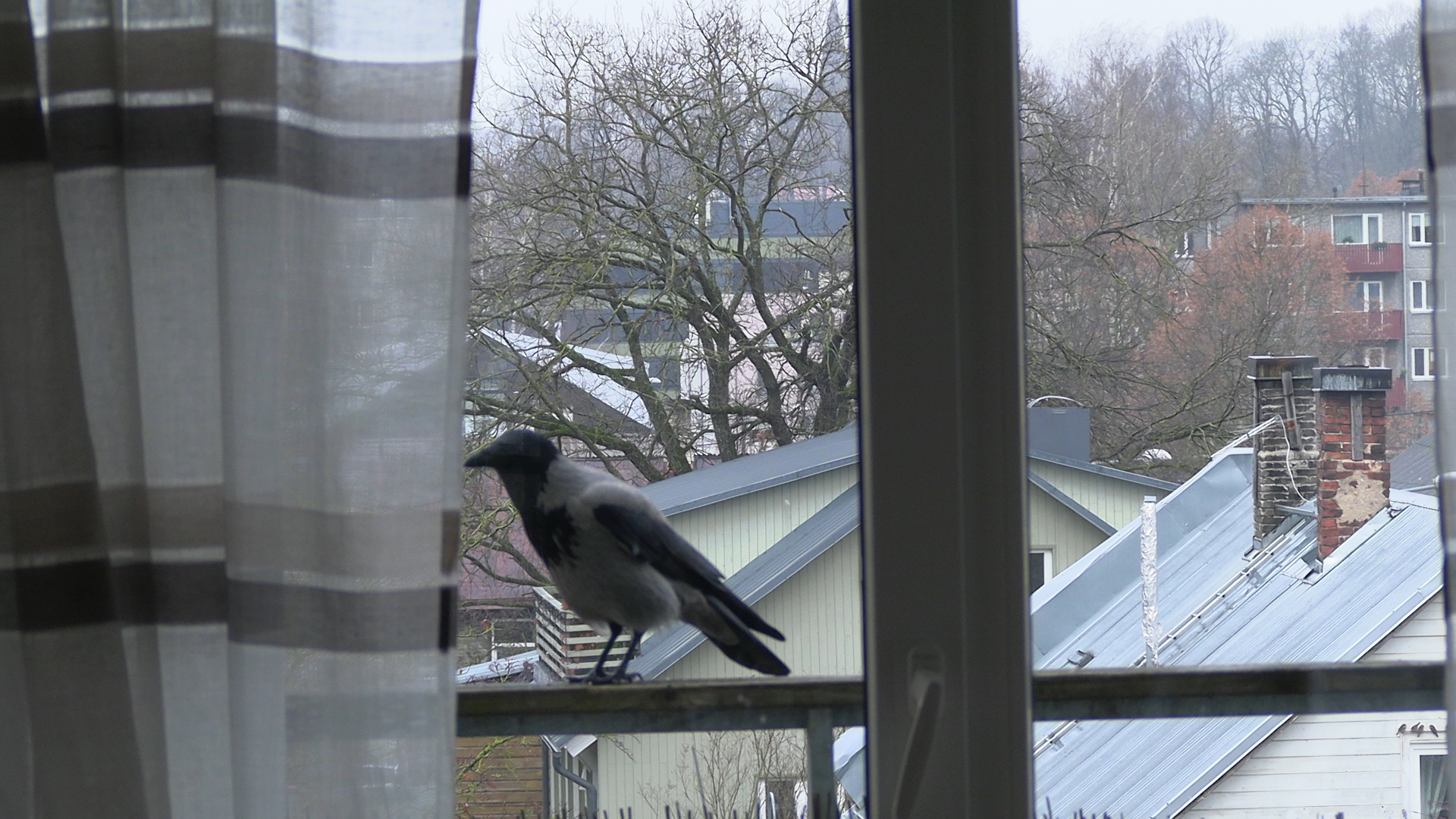
In Tartu, snow can fall quite early in the year. As finding food is more and more difficult, they can come closer, and act bolder. In this picture, this C. cornix specimen is feeding on my balcony after taking down the feeder I put for small birds.
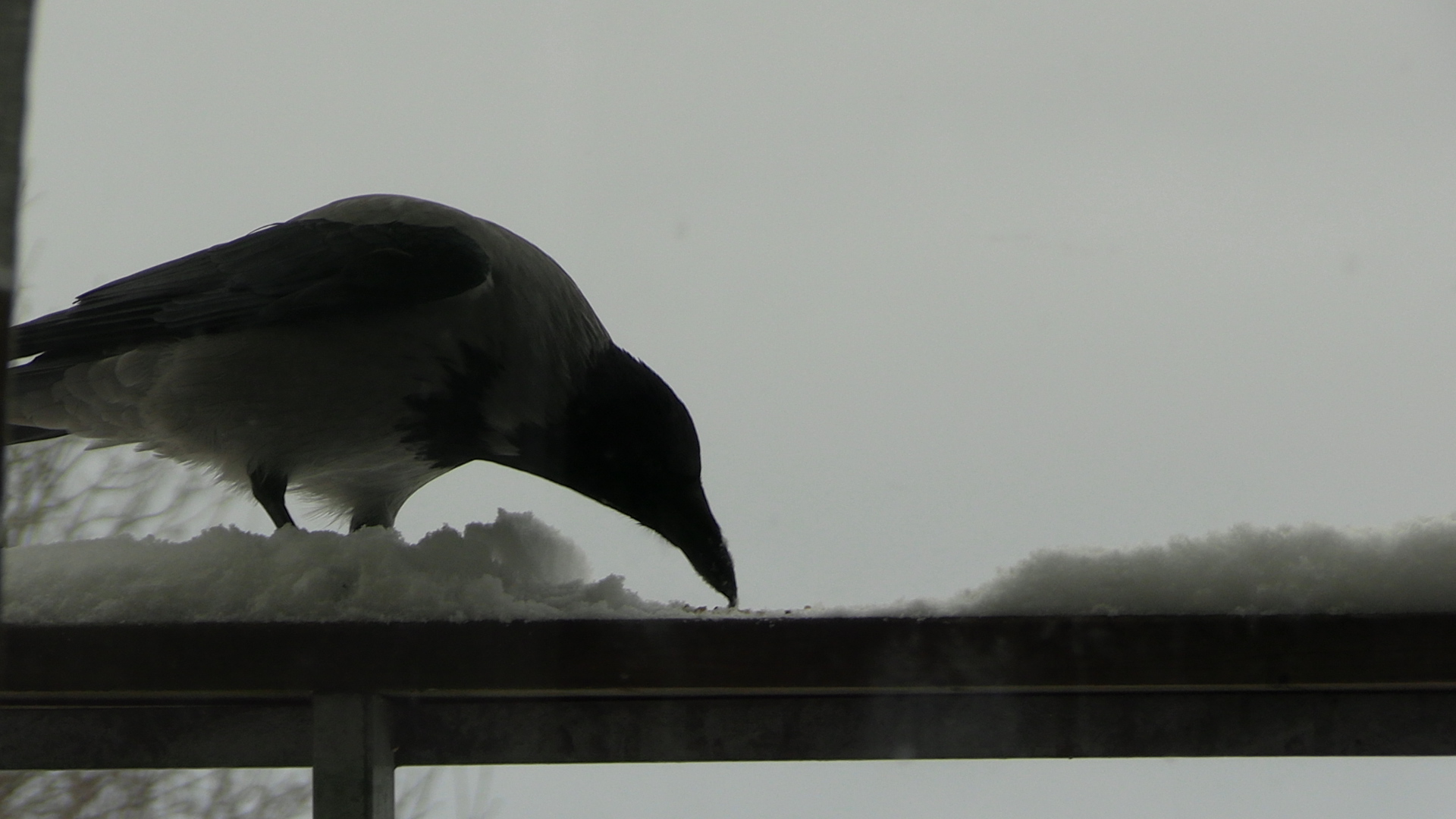
The presence of food somewhere, as snow is getting thicker, also attracted a third species of corvids, smaller than crows and rooks, Coloeus monedula, the jackdaw.
